
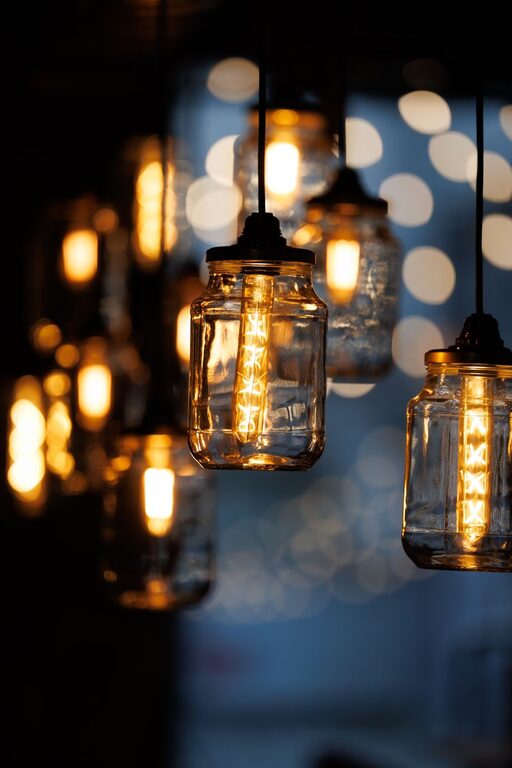
Creating a comfortable home environment starts with many factors, and lighting plays a key role. The right lighting not only brightens up your space but also influences your mood, productivity, and overall well-being. Choosing comfortable home lighting involves more than just picking fixtures that look good; it’s about considering brightness, color temperature, placement, and energy efficiency.
In this guide, we’ll explore practical tips to help you select home lighting that is both comfortable and functional.
Understanding Lighting Basics
Before diving into tips, it’s helpful to know a few basics about lighting.
Types of Light Bulbs
– Incandescent: Warm light but less energy-efficient and shorter lifespan.
– LED (Light Emitting Diode): Energy-efficient, long-lasting, and available in various color temperatures.
– CFL (Compact Fluorescent Lamp): More efficient than incandescent, but slower to reach full brightness.
– Halogen: Bright, white light, but less energy-efficient than LED.
LED bulbs are generally recommended for their energy efficiency and versatility.
Types of Lighting
– Ambient Lighting: The main source of light in a room, providing overall illumination.
– Task Lighting: Focused lighting for specific activities like reading or cooking.
– Accent Lighting: Used to highlight artwork, plants, or architectural features.
Balancing these three types creates a comfortable and layered lighting environment.
Tips for Choosing Comfortable Home Lighting
1. Consider the Room’s Purpose
Lighting needs vary by room. For example:
– Living room: Soft, warm ambient lighting encourages relaxation.
– Kitchen: Bright, clear light supports cooking and food prep.
– Bedroom: Dimmer, warmer tones help create a calming atmosphere.
– Home office: Bright, cool lighting reduces eye strain and boosts focus.
Match your lighting style to your activities in each space.
2. Choose the Right Color Temperature
Color temperature, measured in Kelvins (K), affects how lighting feels.
– Warm light (2700K–3000K): Cozy and inviting, ideal for living rooms and bedrooms.
– Neutral white (3500K–4100K): Balanced and natural, good for kitchens and bathrooms.
– Cool white or daylight (5000K–6500K): Bright and energizing, suitable for work areas.
Pick bulbs with a color temperature that complements the room’s function and your personal preference.
3. Opt for Dimmer Switches
Installing dimmer switches allows you to adjust brightness according to the time of day or mood. This flexibility enhances comfort by preventing harsh lighting that can cause eye strain. Dimmers work well in living rooms, dining rooms, and bedrooms.
4. Use Layered Lighting
Don’t rely on a single light source. Combine ambient, task, and accent lighting to create depth and visual interest. For instance, a living room can have a ceiling light (ambient), reading lamps (task), and wall sconces or artwork spotlights (accent). Layered lighting lets you customize brightness and ambiance.
5. Pay Attention to Fixture Placement
Proper positioning of lights reduces glare and shadows. Avoid placing bright lights directly in your line of sight. When installing task lighting, make sure it’s focused where you need it most, like a desk lamp angled away from reflective surfaces or kitchen under-cabinet lighting to illuminate countertops.
6. Select Fixtures That Complement Your Style
Lighting fixtures contribute to the room’s decor and can set the mood. Choose styles and finishes that fit your taste and the room’s design. Whether you prefer modern, rustic, or minimalist looks, there are options that combine comfort with aesthetics.
7. Embrace Natural Light
Maximize daylight by using sheer curtains or strategically placing mirrors to bounce light inside. Natural light improves mood and can reduce the need for artificial lighting during the day. Consider how window placement affects lighting and plan accordingly.
8. Think About Energy Efficiency and Longevity
Comfortable lighting should also be sustainable. LED bulbs use less electricity and last longer, saving money and reducing maintenance. Look for ENERGY STAR-certified bulbs and fixtures to ensure energy-efficient choices.
9. Test Lighting Before Finalizing
Whenever possible, test bulbs or fixtures in the intended space before full installation. This helps you experience the light quality and color temperature in your home’s natural setting, ensuring it feels comfortable and suits your needs.
Additional Considerations
– Avoid flickering or buzzing lights, which can cause discomfort.
– Use warm white bulbs for evening lighting to support relaxation and natural circadian rhythms.
– Consider smart lighting systems that allow you to control brightness and colors via apps or voice commands.
– Keep your lighting clean; dust and dirt reduce light output and affect comfort.
Conclusion
Choosing comfortable home lighting is about balancing function and ambiance. By considering the room’s purpose, color temperature, fixture placement, and energy efficiency, you can create inviting spaces that support your lifestyle. Layered lighting combined with dimmers and natural light enhances comfort and usability. With these tips, you can select lighting that not only looks great but also makes your home a more pleasant place to live.
Investing a little time and thought into lighting choices pays off in comfort and style throughout your living spaces.