
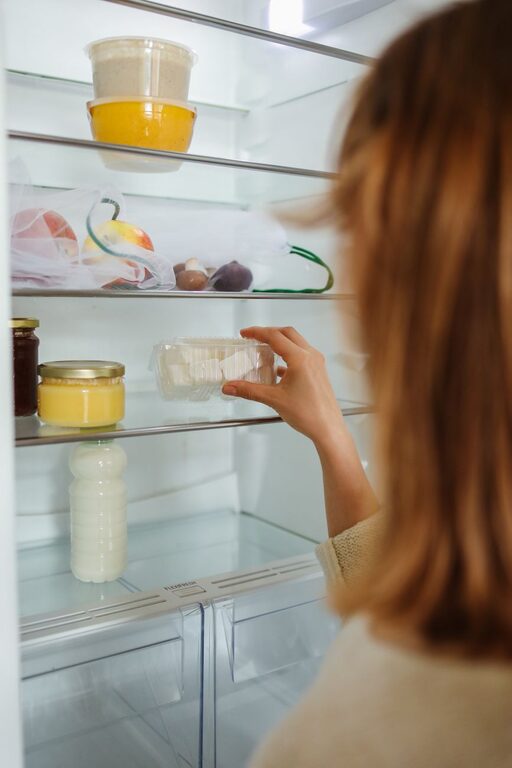
Keeping your fridge and pantry tidy might seem like a daunting task, but with a few easy habits and smart organizing strategies, it can become a simple part of your routine. A well-organized kitchen storage not only helps you find ingredients quickly but also reduces food waste and saves money. In this post, we’ll explore practical tips on how to maintain a clean and orderly fridge and pantry.
Why Tidy Storage Matters
Before diving into the “how,” it’s helpful to understand the benefits of keeping your fridge and pantry neat:
– Save time: No more digging through clutter to find what you need.
– Reduce waste: Proper storage helps food stay fresh longer and avoids forgetting items.
– Improve safety: A clean fridge prevents cross-contamination and reduces the risk of spoiled foods.
– Enhance meal planning: Knowing exactly what you have on hand simplifies shopping and cooking.
Now, let’s look at some effective ways to achieve a tidy fridge and pantry.
Organizing Your Fridge
1. Clean It Out Regularly
Start by clearing out expired or spoiled foods. Aim to do a quick fridge clean every week, and a deeper clean every month. Remove all items, wipe down shelves and drawers with warm, soapy water, then dry thoroughly before putting items back.
2. Use Clear Storage Containers
Invest in clear bins or containers to group similar items, such as dairy products, condiments, or deli meats. This makes it easier to see what you have and keeps things from spreading out all over.
3. Assign Zones
Designate specific areas for different food types. For example:
– Top shelves for ready-to-eat foods like leftovers or drinks
– Middle shelves for dairy products
– Bottom shelves for raw meats (stored in a tray to catch drips)
– Crisper drawers for fruits and vegetables
This zoning helps prevent cross-contamination and keeps the fridge organized.
4. Label Shelves and Containers
Labels serve as helpful reminders for everyone in the household. Use waterproof labels or masking tape and a marker to identify where items belong.
5. Keep a Thermometer Inside
Maintaining the right temperature (below 40°F or 4°C) is key to food safety and freshness. A fridge thermometer helps you monitor and adjust settings as needed.
Organizing Your Pantry
1. Declutter and Sort
Take everything out and check expiration dates. Toss expired or stale items. Group similar products together, such as grains, canned goods, baking supplies, and snacks.
2. Use Clear and Airtight Containers
Transfer pantry staples like flour, sugar, rice, and cereals into clear airtight containers. This keeps them fresh longer and prevents pests.
3. Label Containers Clearly
Use labels with the item name and expiration date. This helps you quickly identify contents and know when to replenish.
4. Use Shelf Risers and Baskets
Shelf risers create additional vertical space, allowing you to stack items neatly. Baskets or bins can hold smaller items like spice packets or snack bars.
5. Organize by Frequency of Use
Place frequently used items at eye level or within easy reach. Store rarely used ingredients higher up or in less accessible spots.
6. Keep Like Items Together
Grouping similar items creates a logical flow, so you can find what you need quickly. For example, keep all breakfast foods in one area and baking supplies in another.
7. Maintain a Pantry Inventory
Keeping a simple list of pantry items can help you keep track of what you have and avoid duplicate purchases.
General Maintenance Tips
– Set a regular schedule: Spend 10-15 minutes each week tidying leftovers, checking expiration dates, and wiping down surfaces.
– First in, first out: When restocking, place newer items behind older ones so older food gets used first.
– Avoid overcrowding: A packed fridge or pantry makes it harder to find things and can reduce airflow, affecting freshness.
– Use smaller containers: If you buy in bulk, consider dividing large quantities into smaller containers to keep items fresher as you use them.
Conclusion
Keeping your fridge and pantry tidy doesn’t have to be overwhelming. With these straightforward tips, you can create an organized, efficient kitchen space that supports healthy meal prep and reduces waste. Start small by decluttering one area, and gradually implement habits that maintain order and cleanliness. Your kitchen — and your meals — will thank you!